


-

Add: HeBei ShengShi HongBang Cellulose Technology CO.,LTD.
-

Email
13180486930@163.com -

CONTACT US
+86 13180486930



Le Polypropylène Un Acteur Clé dans l'Industrie des Matériaux Le polypropylène, un polymère thermoplastique issu de la polymérisation du propylène, est devenu un matériau incontournable dans diverses industries. Il est largement utilisé en raison de sa polyvalence, de sa légèreté, et de sa résistance aux produits chimiques. Son utilisation s'étend des emballages aux textiles, en passant par les composants automobiles et les biens de consommation. Propriétés du Polypropylène Le polypropylène se distingue par plusieurs propriétés qui en font un choix privilégié pour de nombreuses applications. Tout d'abord, ce matériau est exceptionnellement résistant à la chaleur, ce qui le rend adapté à des environnements où d'autres plastiques pourraient fondre ou se déformer. De plus, il présente une excellente résistance aux chocs, une durabilité qui lui permet de résister à un usage intensif, et il est également imperméable à l'eau, ce qui le rend utile pour les produits ayant des besoins de résistance à l'humidité. Une autre caractéristique remarquable du polypropylène est sa légèreté. Cela permet de réduire le poids des produits finaux, ce qui est particulièrement avantageux dans l'industrie automobile où chaque kilogramme économisé peut améliorer l'efficacité énergétique des véhicules. Enfin, le polypropylène est recyclable, ce qui est essentiel dans une époque où la durabilité et la réduction des déchets sont des préoccupations majeures. Applications du Polypropylène produsen serat polipropilen Les applications du polypropylène sont vastes et variées. Dans le secteur de l'emballage, par exemple, il est utilisé pour fabriquer des films d'emballage, des containers et des bouteilles en plastique. Sa résistance à l'humidité et aux produits chimiques le rend idéal pour les matériaux d'emballage alimentaires, contribuant ainsi à prolonger la durée de conservation des produits. Dans l'industrie textile, le polypropylène est utilisé pour fabriquer des non-tissés, des vêtements, et des tapis. Sa capacité à être teint et à conserver sa forme en fait un choix idéal dans la mode et le design d'intérieur. De plus, dans le secteur automobile, le polypropylène est utilisé pour des pièces intérieures, des panneaux de porte et des composants structuraux, offrant une combinaison de légèreté et de robustesse. Avantages Environnementaux L'un des avantages les plus significatifs du polypropylène est sa recyclabilité. De nombreux pays ont mis en place des systèmes de collecte pour encourager le recyclage des plastiques, y compris le polypropylène. En repensant notre approche de l'utilisation des plastiques, nous pouvons contribuer à la réduction des déchets plastiques dans les décharges. De nombreuses entreprises se tournent vers des matériaux recyclés pour produire de nouveaux produits en polypropylène, favorisant ainsi une économie circulaire. Conclusion En somme, le polypropylène représente un matériau essentiel dans le monde moderne. Sa combinaison unique de propriétés, sa légèreté, sa résistance et sa recyclabilité en font un choix idéal pour une multitude d'applications. Alors que le monde continue de se concentrer sur la durabilité et l'innovation, le polypropylène est bien positionné pour jouer un rôle de leader dans le développement de solutions matérielles durables et efficaces. L'avenir du polypropylène semble prometteur, tant pour les producteurs que pour les consommateurs, dans un monde où les choix de matériaux durables sont de plus en plus déterminants.
- 40000tons

Production
- 20+years

Experience
- 5000+㎡

Acreage

-
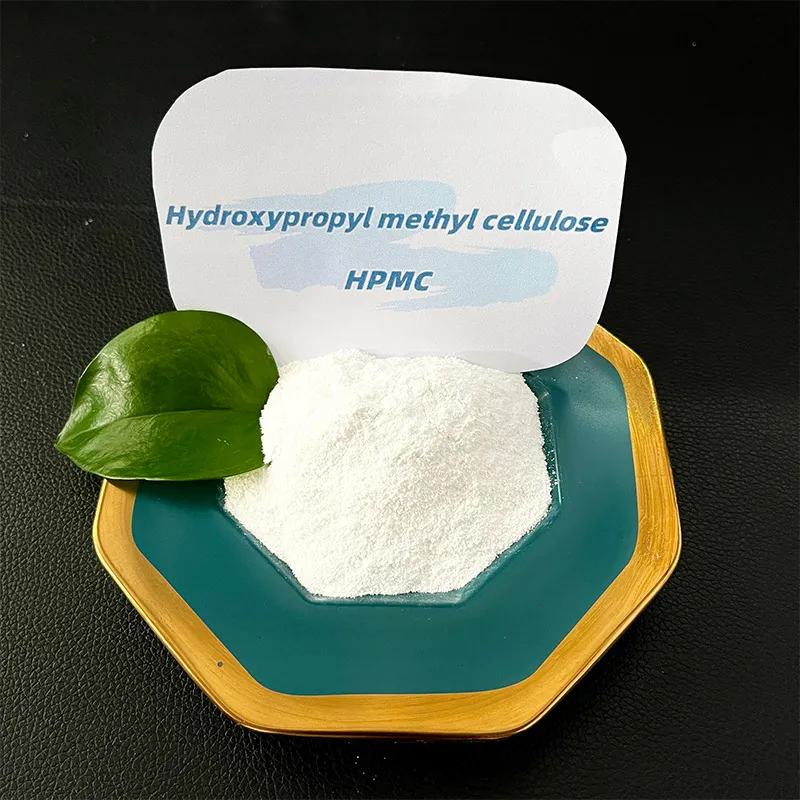
HPMC vegetable cellulose, a plant-derived compound, is revolutionizing the way industries approach product formulation. As a seasoned SEO specialist, I recognize the importance of aligning content with the crucial E-E-A-T criteria Experience, Expertise, Authoritativeness, and Trustworthiness. Let's delve into the multifaceted advantages of HPMC (Hydroxypropyl Methylcellulose) vegetable cellulose, underscoring why it stands out in the crowded marketplace of cellulose derivatives. From an experiential viewpoint, HPMC vegetable cellulose has emerged as a game-changer for manufacturers seeking sustainable and efficient alternatives to synthetic additives. Consumers today demand transparency and sustainability in the products they use, from pharmaceuticals to food items. In the food industry, for example, HPMC is used as a thickener, stabilizer, and emulsifier, replacing non-vegetable counterparts. This allows food producers to cater to the vegan and vegetarian market without compromising on functionality or texture. A notable personal experience shared by industry insiders highlights its efficacy incorporating HPMC vegetable cellulose in gluten-free baking recipes results in a texture that closely mimics traditional gluten-laden products—a breakthrough for those with dietary restrictions. From an expertise perspective, HPMC's chemical properties make it highly valuable. Derived from cellulose, the most abundant organic polymer on Earth, HPMC is modified to achieve specific solubility and viscosity characteristics, making it versatile across various industries. Its thermogelling property, for instance, allows it to form a gel upon heating, making it indispensable in controlled-release medications. Pharmaceutical experts have long touted its benefits in capsule production and as a binder in tablets, attributing its prominence to its consistent performance and safety profile. Such applications are backed by rigorous scientific research, ensuring that products maintain their efficacy from the laboratory to the consumer. Authoritativeness is crucial in the realm of product information. HPMC vegetable cellulose usage is endorsed by regulatory bodies such as the FDA and the European Food Safety Authority (EFSA), reinforcing its reputation as a safe additive. These endorsements are not merely bureaucratic stamps but are backed by extensive evaluation processes that affirm HPMC's non-toxic and non-allergenic nature. Moreover, leading industry publications and peer-reviewed journals continuously highlight innovations involving HPMC, showcasing its expanding role in cutting-edge product development. Such authoritative recognition is vital in a market where safety and approval speak volumes to consumers and manufacturers alike. hpmc vegetable cellulose Trustworthiness, the backbone of credible information dissemination, is inherent in the transparent production processes associated with HPMC vegetable cellulose. Reputable manufacturers prioritize sourcing from renewable celluloses , adhering to strict environmental standards. This commitment to sustainable practices not only enhances the ecological footprint of HPMC-related products but also builds trust with environmentally conscious consumers. Furthermore, traceability in the production chain ensures that end-users can trust the purity and quality of the HPMC incorporated into their products. Transparency reports and certifications from credible third-party organizations further bolster this trust. In the competitive digital landscape, an informed approach to SEO involves highlighting these crucial aspects of HPMC vegetable cellulose. Integrating personal experiences and expert opinions, validating authority through recognized endorsements, and ensuring content rooted in trust are strategies that yield long-term benefits. Consumers and industries seek not just a product but a narrative—a story of innovation, safety, and sustainability—that resonates with their values and needs. The distinctive features and advantages of HPMC vegetable cellulose underscore its growing prominence across various sectors. Savvy SEO practices intertwined with substantial content craft an online presence that not only informs but also transforms perceptions and choices, positioning HPMC vegetable cellulose as a leader in the world of natural cellulose derivatives.
-
Rubber powder, often identified by its industry code as Rubber Powder-821, is garnering attention for its versatile applications across various domains. Derived from recycled rubber products, primarily tires, this fine powder is transforming industries with its multifunctional properties. A noteworthy application of Rubber Powder-821 is in the realm of construction and building materials. Incorporating rubber powder into concrete mixes enhances the durability and flexibility of the material, which is particularly beneficial in regions prone to seismic activity. Concrete treated with rubber powder exhibits superior resistance to cracking and structural degradation, offering a sustainable solution to urban infrastructure demands. In the automotive industry, Rubber Powder-821 serves as a cost-effective additive in tire manufacturing. Its inclusion in new tire formulations results in improved traction and longevity, contributing to increased road safety and reduced maintenance costs for vehicle owners. The enhanced grip from rubber powder-enriched tires is especially advantageous in adverse weather conditions, providing a safer driving experience. The sports and leisure sectors also benefit significantly from Rubber Powder-821. Athletic tracks and playground surfaces fortified with rubber powder deliver increased shock absorption, reducing the risk of injury for athletes and children. These surfaces mimic the natural elasticity needed for diverse sports activities, thus optimizing performance while prioritizing safety. Moreover, the innovative use of Rubber Powder-821 in soundproofing solutions is gaining traction. This material is an excellent insulator of sound, making it indispensable in the construction of residential and commercial buildings requiring noise reduction. Walls and flooring integrated with rubber powder show remarkable noise-dampening capabilities, enhancing the overall acoustic environment for occupants. rubber powder-821 uses In the realm of manufacturing consumer goods, Rubber Powder-821 is proving invaluable. It’s used in the production of items such as floor mats, conveyer belts, and even footwear. The flexibility and wear resistance imparted by the powder increase the product lifespan, which is an appealing trait for manufacturers aiming to deliver high-quality and sustainable goods. Another emerging field where Rubber Powder-821 is making strides is in the development of eco-friendly products. As companies continue to seek greener alternatives, the inclusion of recycled rubber in everyday products meets both durability and sustainability criteria. The ability to repurpose rubber that would otherwise contribute to landfill waste aligns perfectly with global environmental initiatives aimed at reducing ecological footprints. Agriculture is also set to benefit from this resourceful material. The water retention properties of Rubber Powder-821, when mixed with soil, help in drought-prone areas, offering a lifeline to crops by maintaining soil moisture levels. This application not only supports plant growth but also aids in reducing water consumption, thus promoting sustainable farming practices. Rubber powder’s role extends into artistic endeavors as well . Artists and designers are increasingly exploring this material for its textural properties and eco-friendly aspect. From installations to tactile artwork, Rubber Powder-821 is contributing to a new wave of sustainable art, providing an innovative medium for creative expression. The multi-faceted applications of Rubber Powder-821 are a testament to its transformative impact across industries. Its adaptability and efficiency highlight its potential to drive innovation while supporting sustainable practices. As more sectors recognize the benefits, the demand and application for Rubber Powder-821 are poised to expand, cementing its status as an indispensable component in future-forward projects.
advantages
-

200000 Viscosities
Excellent product
We can produce pure products up to 200,000 viscosities
-

40000 tons
High yield
We don’t stop production all year round, and the annual output can reach 40,000 tons
-

24 hours
Quality service
We provide 24-hours online reception service, welcome to consult at any time
———— Inquiry Form
Schedule A services


-
 hpmc_gel_preparation
Oct . 25, 2025
Hydroxypropyl Methylcellulose (HPMC) is gaining significant attention in the vegan and plant-based p - hidroksimetil_selulosa
Oct . 25, 2025
Hydroxypropyl methylcellulose (HPMC) has become an integral component in the construction industry, -
 insulation_kuni_selulosi
Oct . 25, 2025
Hydroxymethyl cellulose , often encountered in its more prevalent derivative form hydroxypropyl meth


